Gilboa Prison break
September 6, 2021
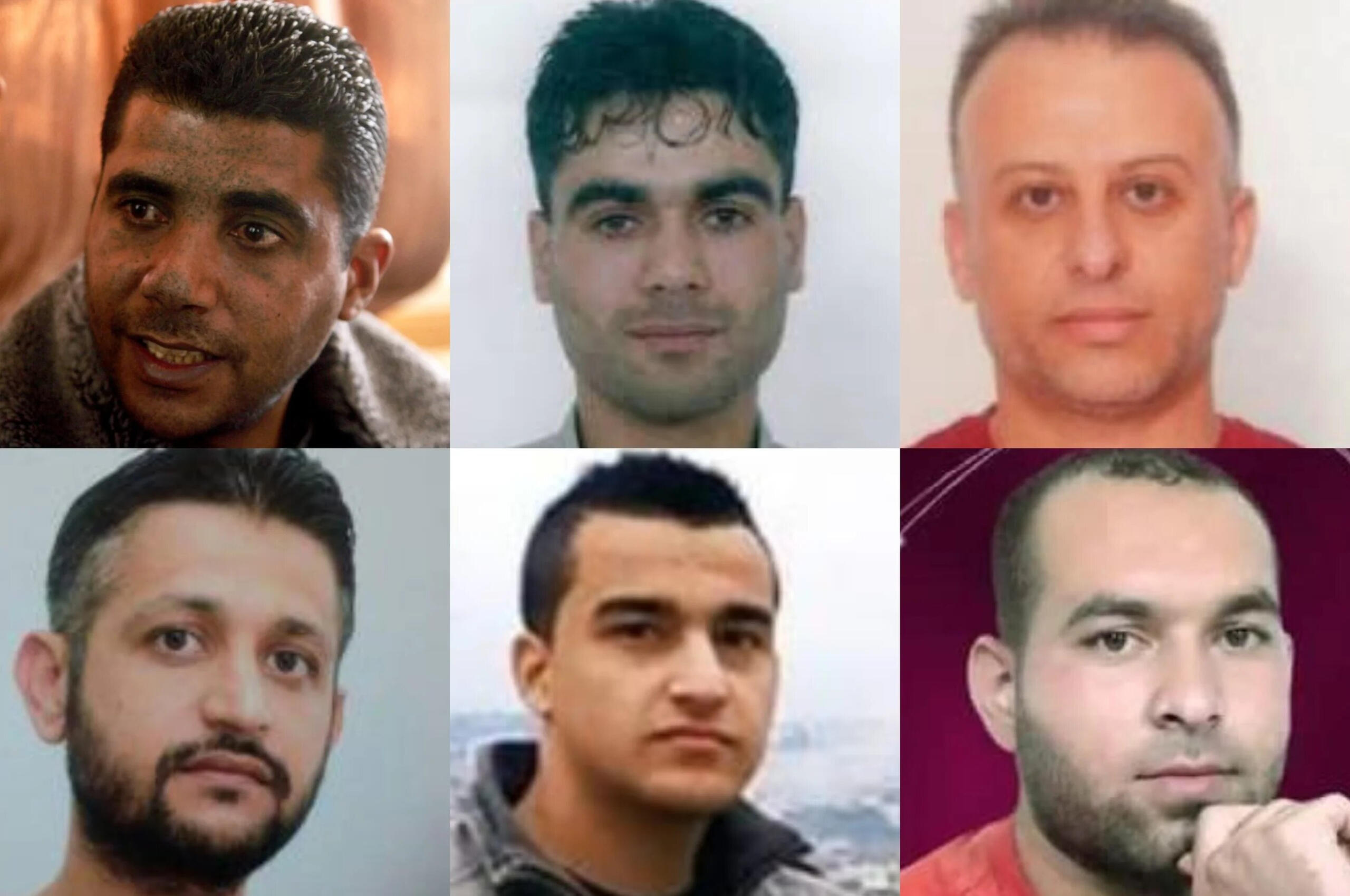
Who Were the Freedom Tunnel Prisoners?
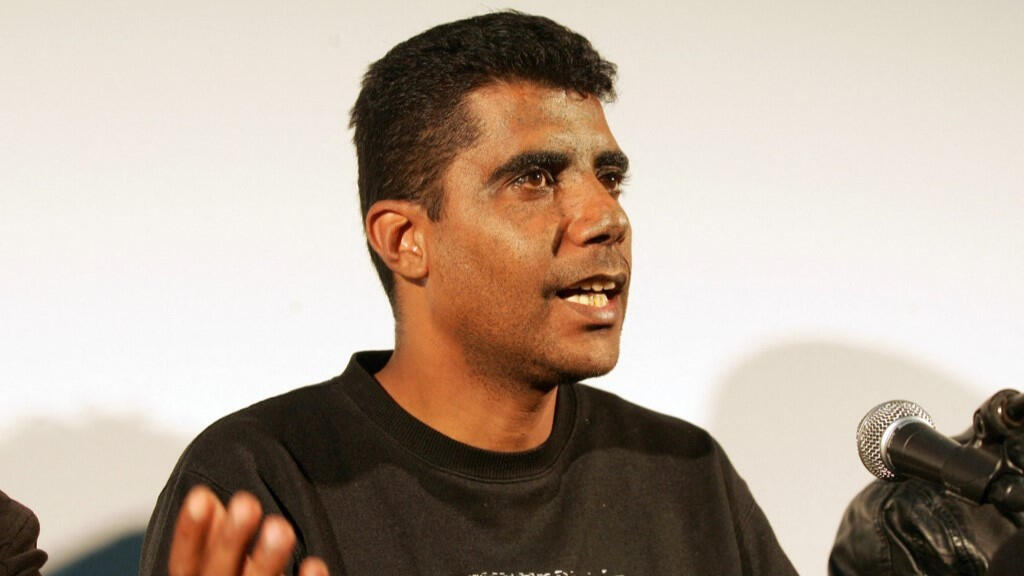
Zakaria Zubeidi
Zubeidi, from Jenin camp, a well-known Palestinian resistance figure. He is the former commander of the al-Aqsa Martyrs' Brigades, a military apparatus affiliated with the Fatah movement.
Mahmoud Abdullah Ardah
Mahmoud was born on 8 November 1975 and grew up in Arraba, Jenin. He was imprisoned for the first time in 1992. He obtained both his high school diploma and bachelor’s degree in prison and became a leader of the leader of the Freedom Tunnel escape.
Munadil Nafa’at
Munadil Naf’at is one of four brothers from Ya’bad, Jenin and has been arrested repeatedly since he was 14 years old. He comes from a family of farmers who are heavily involved in the struggle for Palestine.
Mohammed
al-Ardah
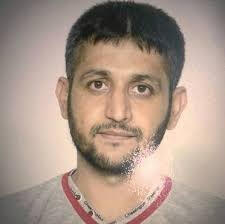
Born, Mohammed was imprisoned on May 14, 2002 and sentenced to 3 life sentences. His brother, Ahmad, said that Mohammed was like a second father to their family after the death of their own father. He became the imam of the mosque in the area and a beloved, respected figure in Arraba.
Yaqoub Qadri
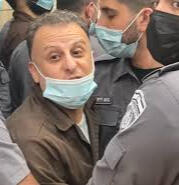
Yaqoub Mahmoud Qadri (Ghawadra) was born on 22 December 1972 in Bir al-Basha, Jenin, growing up in Bir al-Basha and neighbouring Arraba. Seized by the occupation forces, he became more active following his imprisonment. He was later detained by the Palestinian Authority in 1996.
Ayham Kamamji
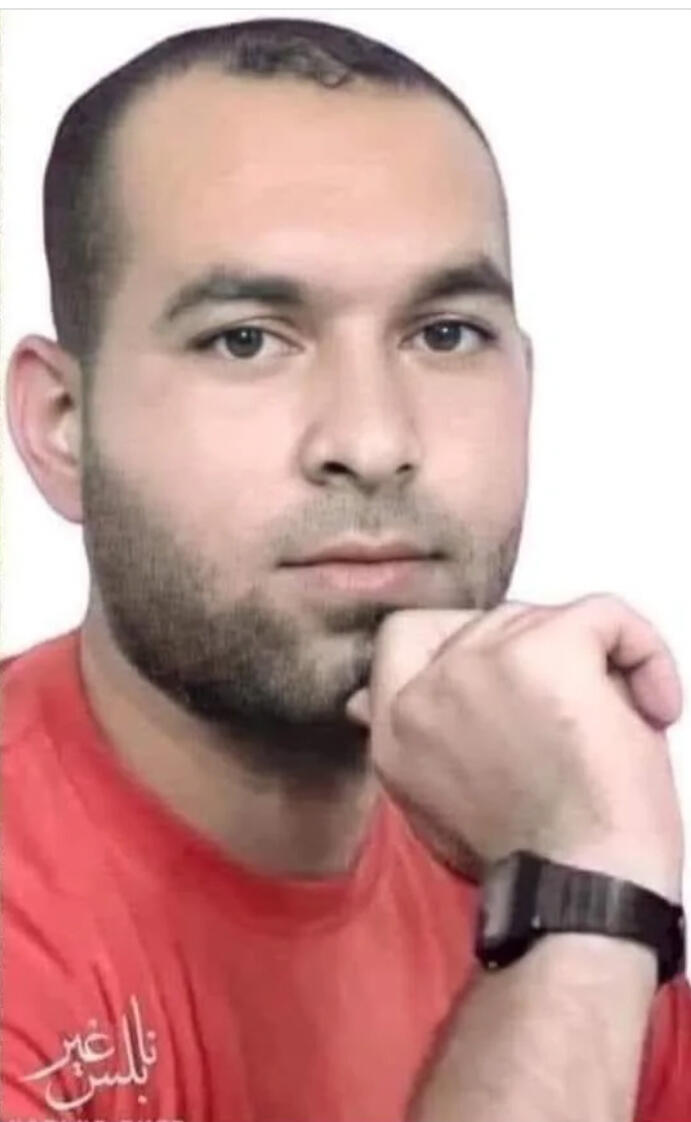
Ayham Fouad Kamamji is from Kufr Dan, Jenin. He has been imprisoned since he was 20 years old in 2006. Sentenced to two life sentences, he said that the inspiration for his escape was to see his mother’s grave, as he had been denied permission to attend her funeral in 2019.
The EScape
In September 2021, 6 Palestinian political prisoners successfully orchestrated the most high-profile prison break in modern Palestinian history, escaping the notorious Gilboa Prison and evading Israeli authorities before they were finally recaptured after several days on the run. Popularly called the “Freedom Tunnel” operation (nafaq al-hurriyah in Arabic), the escape has become an iconic moment for Palestinians.The Freedom Tunnel built on a long history of Palestinian prisoners’ resistance actions, from hunger strikes to collective rebellions behind bars, as well as successful escapes and self-liberations from occupation prisons.Estimates indicate that the occupation spent tens of millions of dollars in less than 12 days in their pursuit of the Freedom Tunnel heroes. They further launched a project to fortify the prisons at a cost of $2.5 million. Thousands of police and army forces participated in the searches, with 720 police patrols, dozens of military vehicles and 250 checkpoints set up in the panicked reaction to the self-liberation of these Palestinian prisoners.The Freedom Tunnel action not only captured the imagination of Palestinians, Arabs and internationals seeking justice, in an era in which such actions had come to seem nearly impossible due to the high level of technological and electronic surveillance, it also sparked a crisis for the occupation. It exposed the weaknesses and failures in the system of military occupation that could not be protected by technology alone and remained highly vulnerable to the human element of the drive for freedom.The heroism of the 6 Palestinian prisoners, who dug their Freedom Tunnel over nine months using any tools at hand to achieve their freedom, made clear that despite the technological and military advantages enjoyed by the Zionist occupation, it is anything but invincible. The Palestinian will toward freedom and indominable spirit was able to use makeshift tools to pry a way out from Gilboa prison, previously renowned as an impenetrable fortress.


